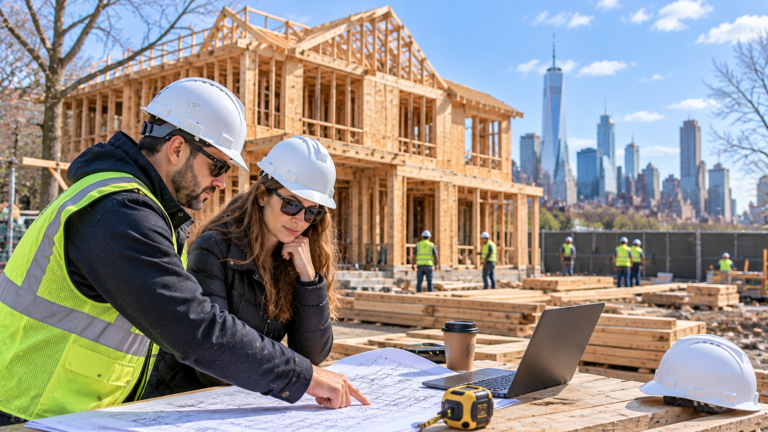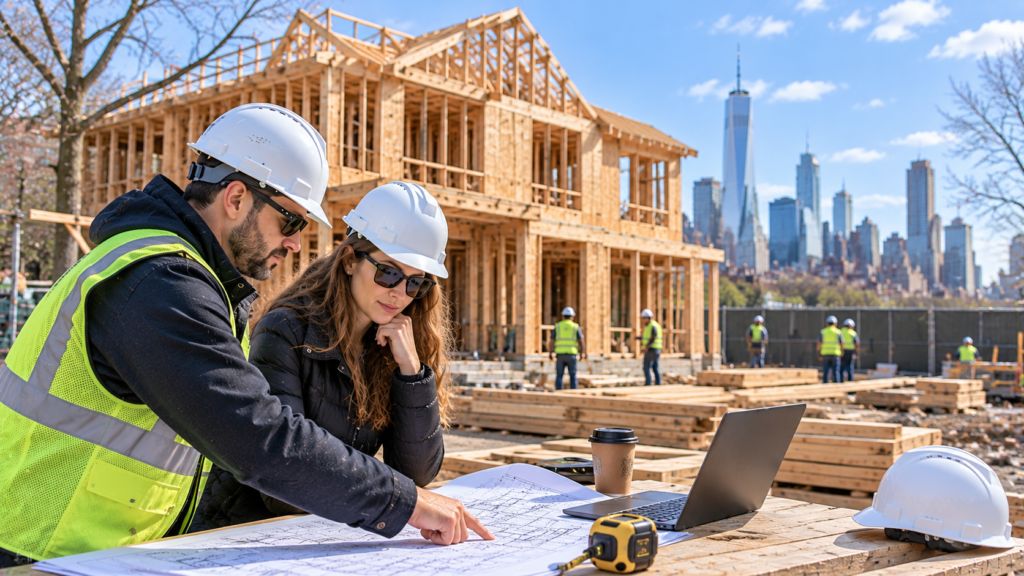
Building a house in New York in 2026 can cost approximately $100 to $300 per square foot across much of the state, while construction in New York City can range from $300 to $500 or more per square foot. The final price depends on the home’s size, location, design, labor rates, materials, permits, and finishing quality.
For a standard 2,000-square-foot home, a preliminary construction budget could range from $200,000 to $600,000 in many parts of New York. In New York City, the same-sized home may cost $600,000 to $1 million or more. These figures are planning estimates, not contractor quotes, and generally exclude land.
Understanding these costs before construction begins can help homeowners, builders, and developers prepare a realistic budget and avoid unexpected expenses.
Average Cost to Build a House in New York in 2026
New York has significant construction cost differences between urban and upstate locations. Labor availability, property conditions, transportation, and local building requirements all influence the final price.
| Location | Indicative cost per sq. ft. |
| New York City | $450+ |
| Long Island | Around $320 |
| Westchester | Around $295 |
| Albany | Around $195 |
| Buffalo | Around $175 |
| Rochester | Around $180 |
| Syracuse | Around $172 |
These are broad market benchmarks. Actual prices can be higher or lower depending on project specifications, site conditions, and finish selections.
For example, a 2,000-square-foot home at a $248-per-square-foot planning benchmark would have an estimated construction cost of approximately $496,000, excluding land and other project expenses.
What Factors Affect Home Construction Costs in New York?
Several important factors determine how much homeowners will spend on a new construction project.
Location and Land Conditions
Location is one of the biggest cost factors. Building in Manhattan, Brooklyn, Queens, or Long Island generally involves higher labor and logistical expenses than building in Buffalo, Syracuse, or Rochester.
For example, projects in New York City may require additional site protection, restricted delivery arrangements, and specialized equipment. Similarly, homeowners planning projects in Brooklyn or Queens should consider local site conditions and building requirements.
Materials and Labor
Construction materials such as lumber, concrete, steel, drywall, roofing, insulation, and flooring make up a significant portion of the budget. Premium products and custom finishes increase overall expenses.
Labor costs also vary depending on the project’s location and workforce requirements. Union labor, open-shop labor, and prevailing wage requirements can produce different estimates.
Home Design and Size
A simple rectangular house is generally less expensive to construct than a custom-designed property with multiple floors, complex rooflines, large windows, and premium architectural features.
Larger homes require more materials, labor, and mechanical systems. However, the cost per square foot does not always increase proportionally with home size.
Permits, Inspections, and Professional Fees
Homeowners should budget for architectural drawings, engineering, permits, inspections, and other professional services. Requirements vary by municipality and project type.
New York City projects may involve additional Department of Buildings filings and inspections. These expenses should be identified during the planning stage rather than added unexpectedly during construction.
Estimated Cost Breakdown of Building a House
A residential construction budget usually includes several major categories:
- Site preparation: Clearing, grading, excavation, and utility connections.
- Foundation: Concrete footings, foundation walls, basement construction, and waterproofing.
- Framing: Lumber, structural components, sheathing, and installation.
- Roofing and exterior: Roofing materials, siding, windows, doors, and insulation.
- Mechanical systems: Plumbing, electrical wiring, heating, ventilation, and air conditioning.
- Interior finishes: Drywall, flooring, cabinets, countertops, painting, and fixtures.
The exact percentage allocated to each category depends on the home’s design, specifications, and construction method.
How Can You Reduce Home Construction Costs in New York?
Homeowners can control construction expenses by making informed decisions before work begins.
First, finalize the architectural design and material selections before requesting contractor bids. Frequent design changes can increase labor costs, waste materials, and delay completion.
Second, compare multiple contractor proposals and carefully review what each quote includes. A lower bid may exclude important work such as site preparation, utility connections, or finishing.
Third, consider alternative materials and construction methods without compromising safety or quality. Value engineering can help identify cost-effective options.
Finally, prepare a detailed budget using professional residential estimating services in New York. A detailed estimate helps identify material quantities, labor expenses, and missing scope before construction starts.
Why Accurate Construction Estimating Matters
An accurate construction estimate gives homeowners and contractors a clearer understanding of the project’s financial requirements.
Professional construction cost estimating services can help organize project expenses, evaluate labor and material prices, and prepare a realistic construction budget.
A detailed quantity takeoff identifies the quantities required for different construction activities, while material takeoff services help organize material requirements for purchasing and pricing.
If your home design is still being developed, preliminary estimating services can help establish an early project budget.
Whether you are planning a home in Albany, Buffalo, Rochester, or New York City, accurate cost planning can help reduce financial uncertainty and support better construction decisions.
Frequently Asked Questions
1. How much does it cost to build a house in New York in 2026?
Building a house in New York can cost approximately 100–300 per square foot in many areas. New York City construction may range from 300–500 or more per square foot, depending on the project.
2. What is the average cost to build a 2,000-square-foot house in New York?
A preliminary budget could range from $200,000 to $600,000 in many parts of the state. In New York City, costs may reach $900,000 or more depending on specifications and construction conditions.
3. Is it cheaper to build a house upstate New York?
Generally, yes. Cities such as Buffalo, Rochester, and Syracuse often have lower construction costs than New York City, Long Island, and Westchester.
4. What is the most expensive part of building a house?
Labor, structural work, foundation construction, materials, and interior finishes can represent major portions of the budget. Their relative costs depend on the home’s design and location.
5. Does the cost per square foot include land?
Usually, published construction cost estimates exclude land purchases. Buyers should separately budget for land, site preparation, professional fees, permits, and financing expenses where applicable.
6. How can I get an accurate estimate for my New York home?
Prepare your architectural drawings, specifications, and project details, then request a detailed estimate. A professional estimator can review quantities, labor, materials, and other construction expenses.
Final Thoughts
Building a house in New York in 2026 requires careful budgeting and an understanding of local construction costs. While upstate locations may offer more affordable building opportunities, New York City and surrounding areas generally require larger budgets.
Before starting construction, compare material options, review contractor proposals, and prepare a detailed cost estimate. Proper planning can help you manage expenses, reduce unexpected costs, and move forward with greater confidence.